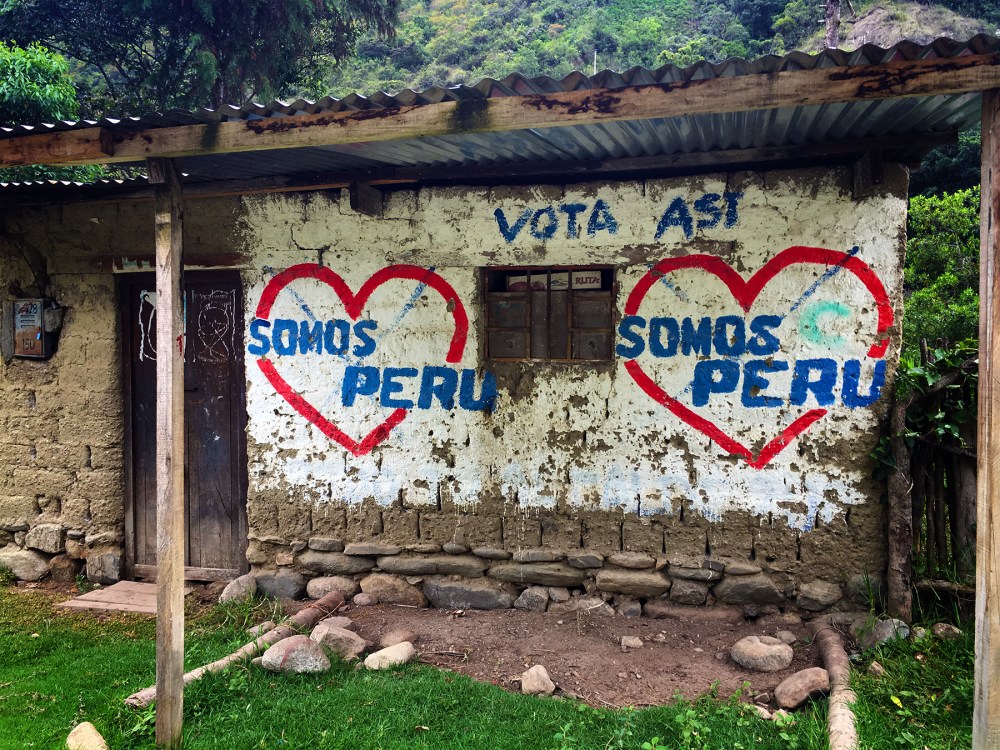
We woke to a morning marking one week in the Andes cradled by a dense cushion of grass that rivaled the most luxurious pillow-top, and treated ourselves to showers before heading through the streets of La Playa. The rumors which painted the town a drab and dusty brown had not unfairly exaggerated its condition. We wound through alleyways lined with raw mud-brick walls and past storefronts clinging to the last vestiges of the white and red coats which once shielded them from the elements, to the only open restaurant in town, Canela’s (Cinnamon’s).
A gruff middle aged woman pointed us to our table from across the room asking bluntly, “Cafe?” “Por favor,” we replied as she vanished behind a splintered wooden door. She reappeared fifteen minutes later, politely placing two mugs of the blackest of brew down before us. We didn’t get out of there for another hour and a half, but left full and readied for the long day of hiking we knew would take us over a tall mountain in the distance.
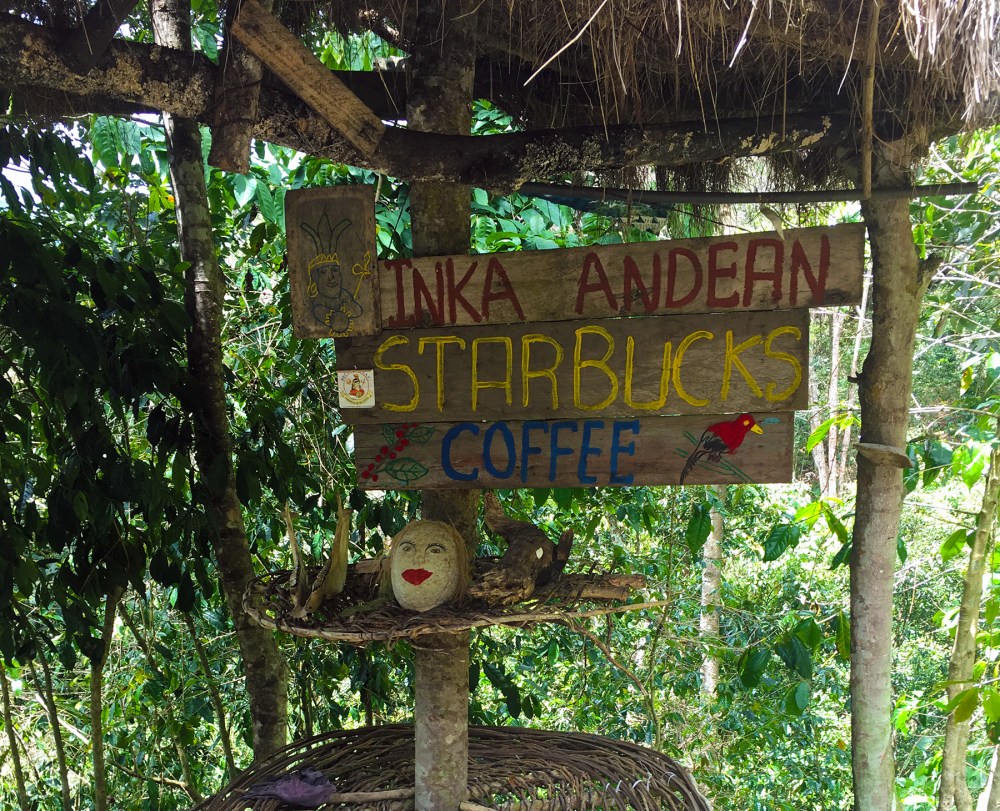
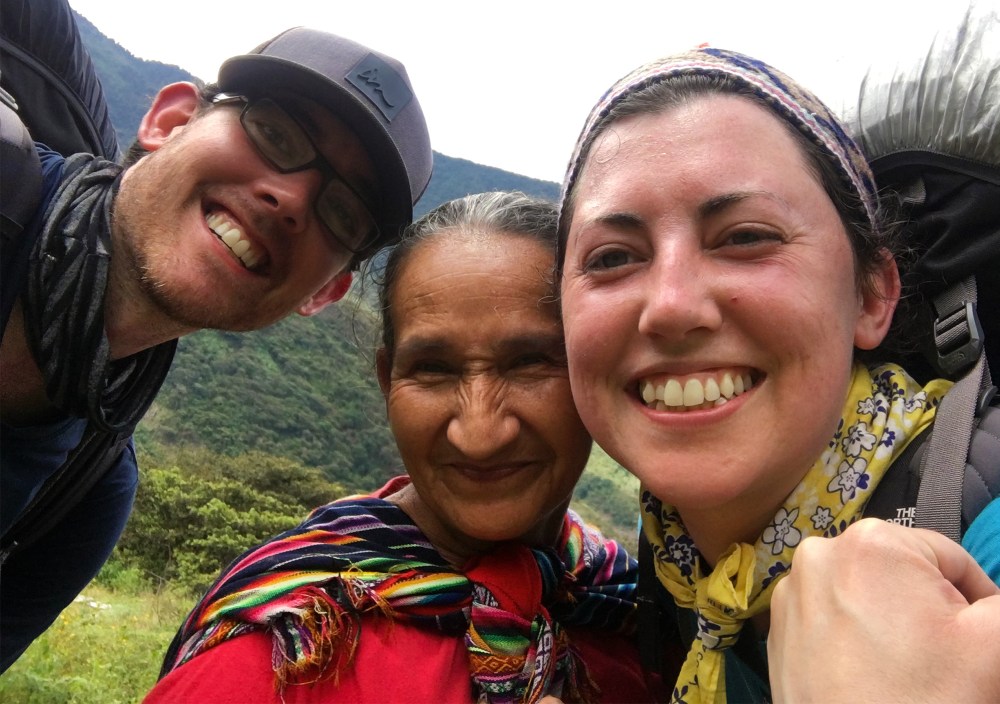
On our way out of town we made quick friends with an older woman who hiked the two hours every morning from La Playa to Lucamabamba, trading stories in broken Spanish and fruits from our bags that we happily ate along the way. She made astonishingly quick time climbing what remained of a wide Incan staircase which beckoned us endlessly upward. After being heckled by some of her friends for having to slow down for the out of breath “gringos,” Mel and I gathered our stamina and pushed the rest of the way at her side. Near her home, we stopped into her niece’s finca de cafe to sample locally harvested coffee and honey, and parted ways with a grateful goodbye and the synthesized sound of our camera phone’s shutter just before the trail turned steeply up toward Llactapata.
True, we were expecting a difficult ascent along the ancient Incan road today, but were not quite prepared for the combination of the sheer upward trajectory and the blistering sun. As we rounded each corner the mountain path seemed to materialize one more twist and then another turn out of thin air. We had grown accustomed to having almost immediate access to water along the trail thus far, but today was different. Our meager stores were quickly depleted and Mel began to show signs of dehydration; cloudy thoughts, a belabored pace, and a lack of desire to continue that stood in stark contrast to the exuberance exemplified by the previous day. Thankfully, as the last drops evaporated from our bottles, the sound of rushing water began to make its way to our ears.
Tucked deeply within a seam about half way up the mountain was a shady oasis overgrown with wild orchids hanging heavily over a small glacial runoff and blooming with hundreds of butterflies that softly exploded from their perches as we approached. We quickly shed our packs and dunked our heads into the meltwater, filled our bottles and bellies with as much as we could stand, and started back up the path bright eyed and purposeful as if reborn through baptism in the icy falls.
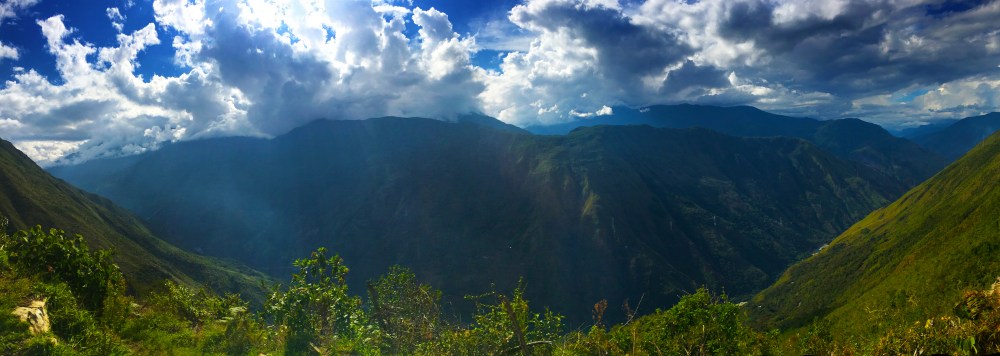
Hours later the path turned inward and grew dark as an emerald canopy took shape overhead signaling that we were at long last rounding the top of the mountain. As we made our way through the shade the trail forked several times without any indication as to which direction would take us to Llactapata so we decided to stay our course left. Once, twice, three times, four; over and over until vines and rotting logs overtook the trail at our feet and we could go no more. Before doubling back, we noticed a tessellated tower holding high tension power lines within its iron grasp that spanned from the cliffs where we now stood to a hydroelectric plant appearing as barely a speck on the banks of a river thousands of feet below. Around a platform of fallen bamboo the sheer cliffs opened to an expansive view of the surrounding Andes, green to their sharpened ends, cradling something in their bosom that we could hardly make out, but that we knew were the ruins everyone else was there to experience.
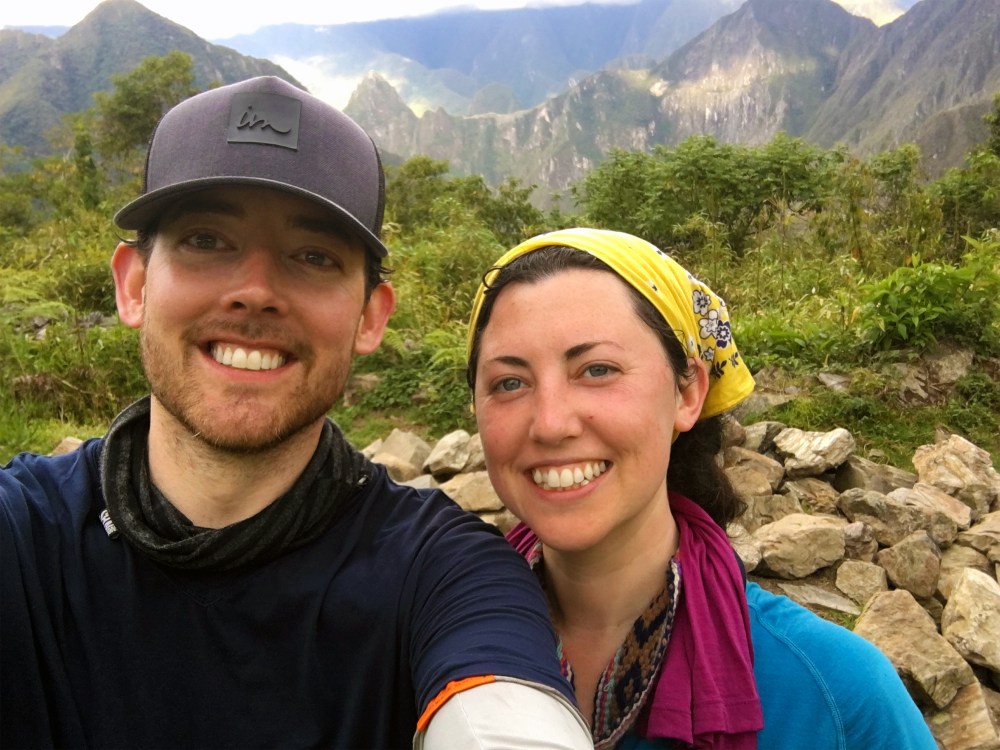
The sight reinvigorated our spirits as we returned to our starting point at the top of the mountain. Given standard permutations and the fact we couldn’t predict the number of times each trail might split further down the line, along with the sun’s current position relative to its vertex as described by the rotation of the earth, we grew concerned. We were running out of light, but we had to move forward, so we went right this time, and right again, until by some great act of benevolence we ran into the ancient stone walls of Llactapata; a Quechua name meaning high town.
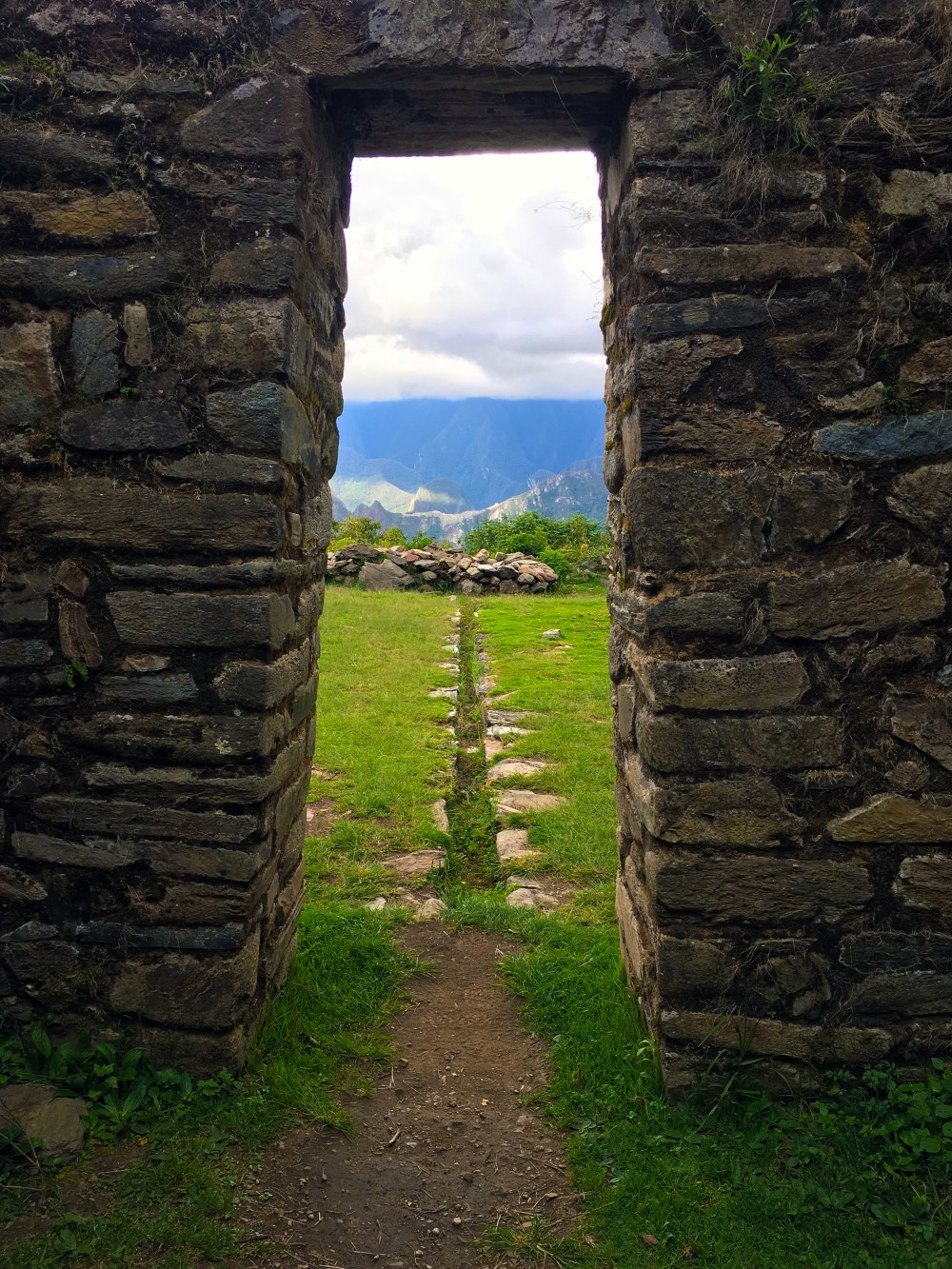
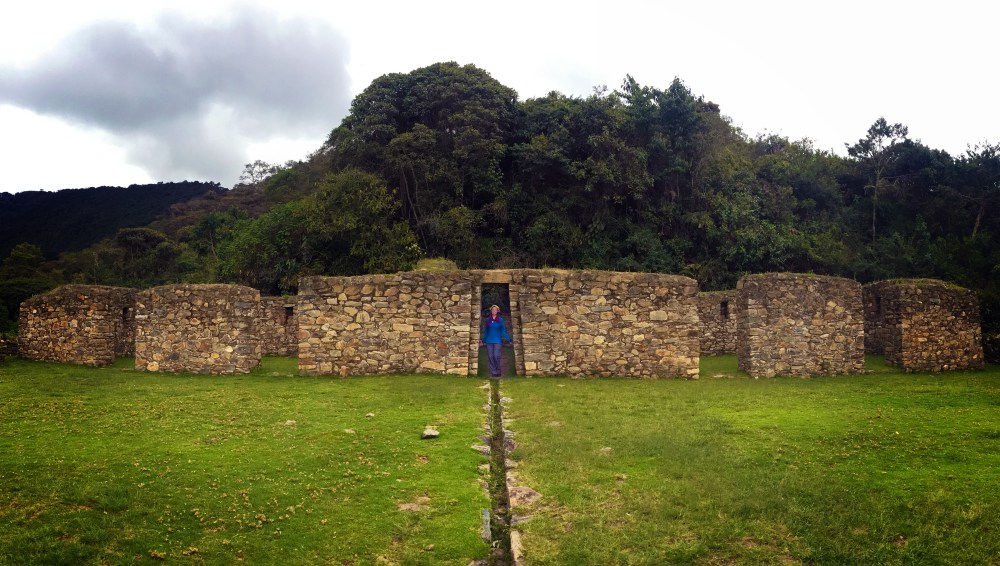
We followed the perimeter of a large building anchoring the complex which funneled us into a narrow throughway perfectly bisecting the structure. Precisely cut down its center ran a shallow trough which led to a tapered gateway of heavy stones and a majestic view of the surrounding mountains. The trough pointed almost perfectly East, Northeast toward a structure near the center of Machu Picchu, surely indicating a solar alignment between the two Incan sites. We wanted so much to camp within the walls of the ruin, but spotted a sign warning of fines for those caught in the act, so we moved down into a clearing with an impressive view of the city in the clouds, where we set camp and drifted peacefully to sleep as the remaining light faded from view.