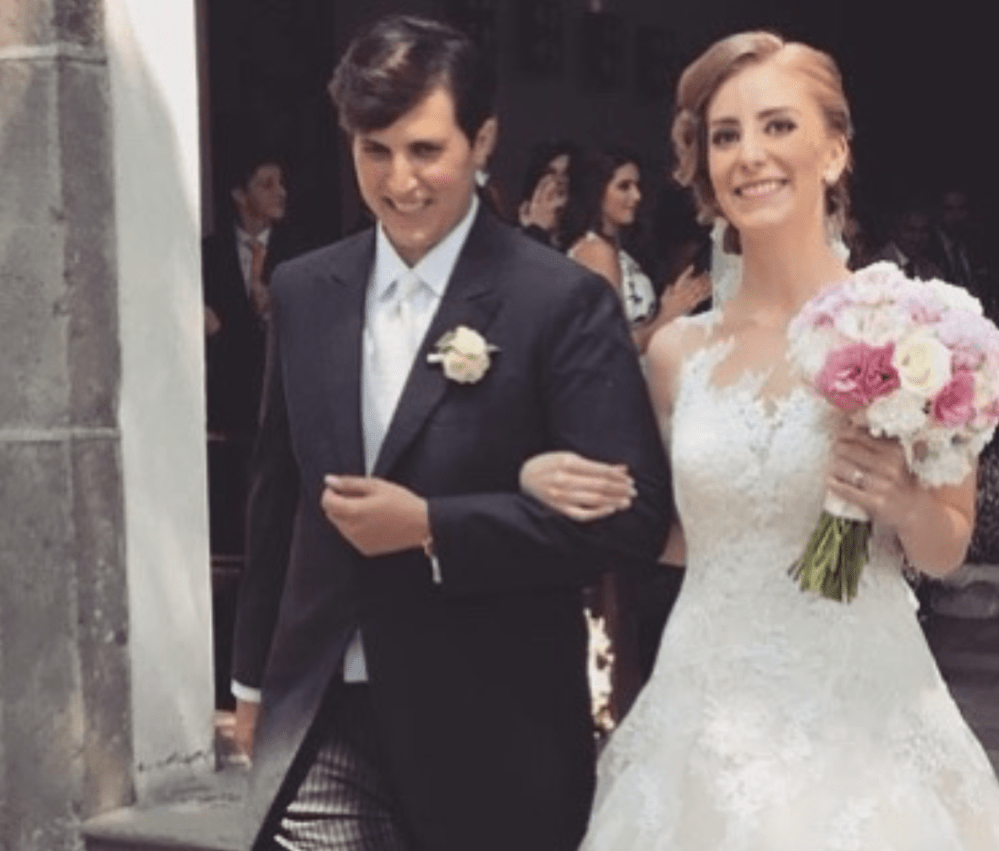
Outside of mission trips when Mel was young and some layovers traveling to and from Peru neither of us had spent a significant amount of time in Mexico, so when our good friend Roberto was getting hitched we didn’t miss our chance. Roberto scooped us up when we arrived in his home town of Puebla. First order of business: food. So for lunch we sampled mole dishes which originated in the area and something called escamoles. Hands down, the best mole I’ve ever had, but the other thing? It turns out the little pods piled up on a lettuce leaf looking like undercooked white-beans were ant larva, and to be honest, they were the best ant larva I’ve ever had, but probably the last. After lunch it was on to the hotel Roberto and his family set us up with, and it was beyond expectation, as was the wedding by the way.

The ceremony, in a small colonial church with a backdrop of lush trees and gardens, and the reception, in a sprawling villa literally dripping with bougainvilleas and other tropical flora were some of the most beautiful we’ve ever been to. It was great seeing Roberto and his beautiful wife Adriana tie the knot. Our thanks to you both for your generosity and friendship. Wishing you the best!
After the wedding we explored Puebla; a relatively small city bursting at the seams with culture: museums, art, pre and post-Columbian architecture, gardens, and restaurants. You name it; they’ve got it. The oldest public library in North America you ask? It’s there.

Filled with obscure volumes bound in vellum, as well as seminal works by the likes of Saint Augustine, Descartes and Newton. It was inspiring just to be in the same room. We wanted to stay and study, but sadly couldn’t read the calligraphic texts which were written in dead languages. Should have paid more attention in Latin class I suppose.

Interestingly, the region surrounding Puebla holds some of the worlds largest known pyramids by volume. Numero uno: The Great Pyramid of Cholula, and Numero tres, the Pyramid of The Sun in the temple complex of Teotihuacán. From afar, the ancient construction of Cholula appears to be a natural land formation. The remains of its base, approximately four times the footprint of the Great Pyramid at Giza, are covered in overgrowth and colonial structures built by the Spanish after their appropriation of the site.
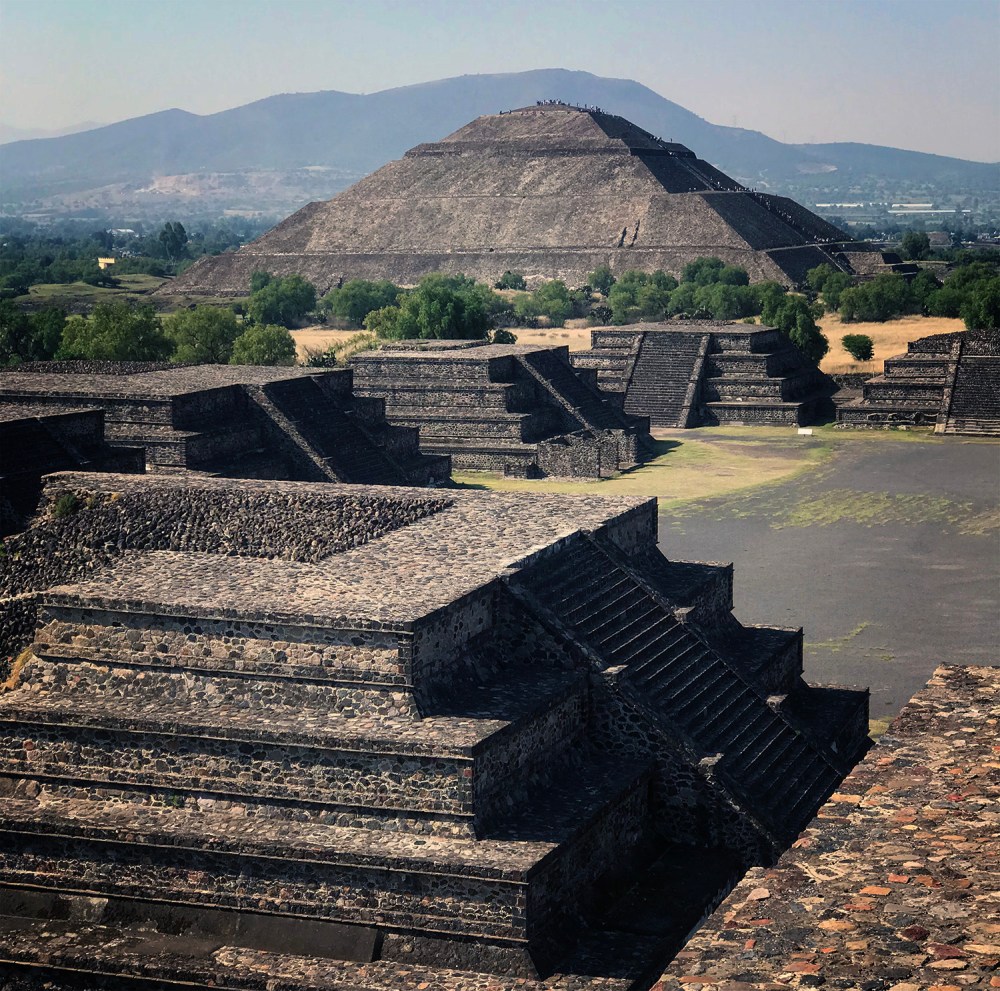
The pyramids at Teotihuacán are a different story entirely. For centuries the ancient city lay dormant, swallowed whole by thick forest and grass. During its excavation in the 17th century almost 20 ft of casing stones were removed from the sides of the pyramids to be used in the construction of churches and villas in the area. As a result, there is no way to appreciate the structures as they once were, but their incredible scale cannot be denied.

Climbing to the top of the Pyramid of the Sun, the largest structure there, was like surmounting a small mountain. One can only imagine the majesty of its prime. What remains stands as testament to the monumental accomplishments of a long forgotten culture.
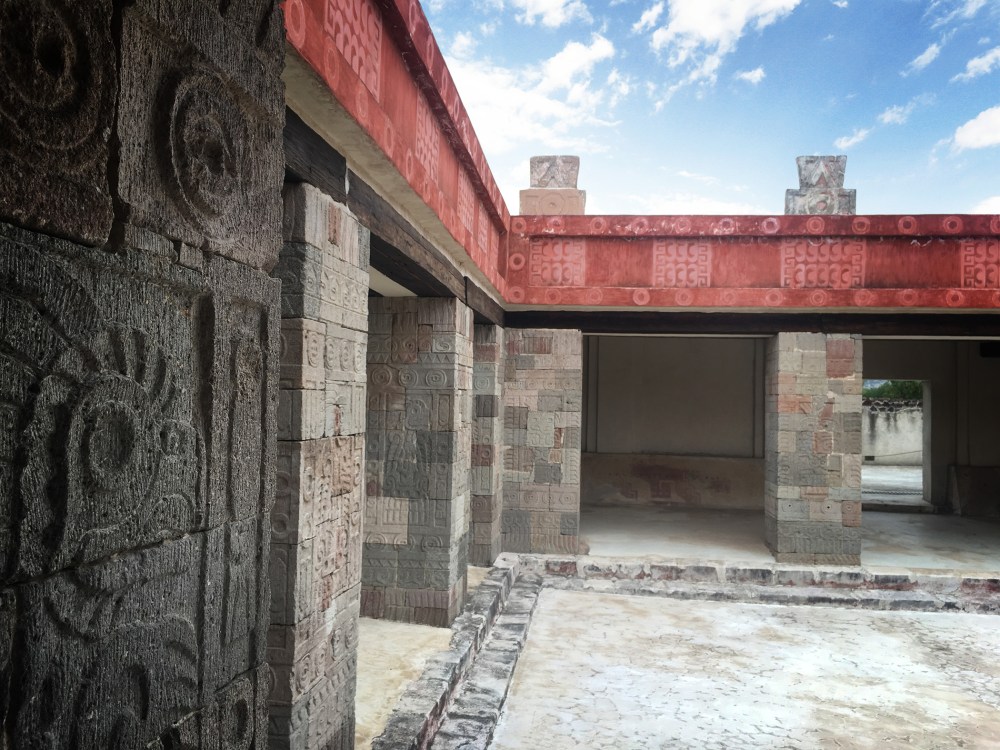
Scattered throughout the complex you can still find extremely refined architectural elements. Masonry work present in those areas is often megalithic, smooth, and perfectly fitted together.

One of the best examples can be seen at The Temple of the Feathered Serpent which is adorned with carvings of conch shells and waves, massive serpent heads and other unknown creatures. Much like the sites in South America, theories about who built these impressive structures run the gamut. Modern scholarship holds no sure answer, but the Aztecs, Toltecs, and Totonac – all once inhabitants – claim themselves to be beneficiaries of the site constructed by a previous master race, by the “gods” or by giants, etc. Standing at the foot of the temples leaves one to wonder. Maybe they were right.

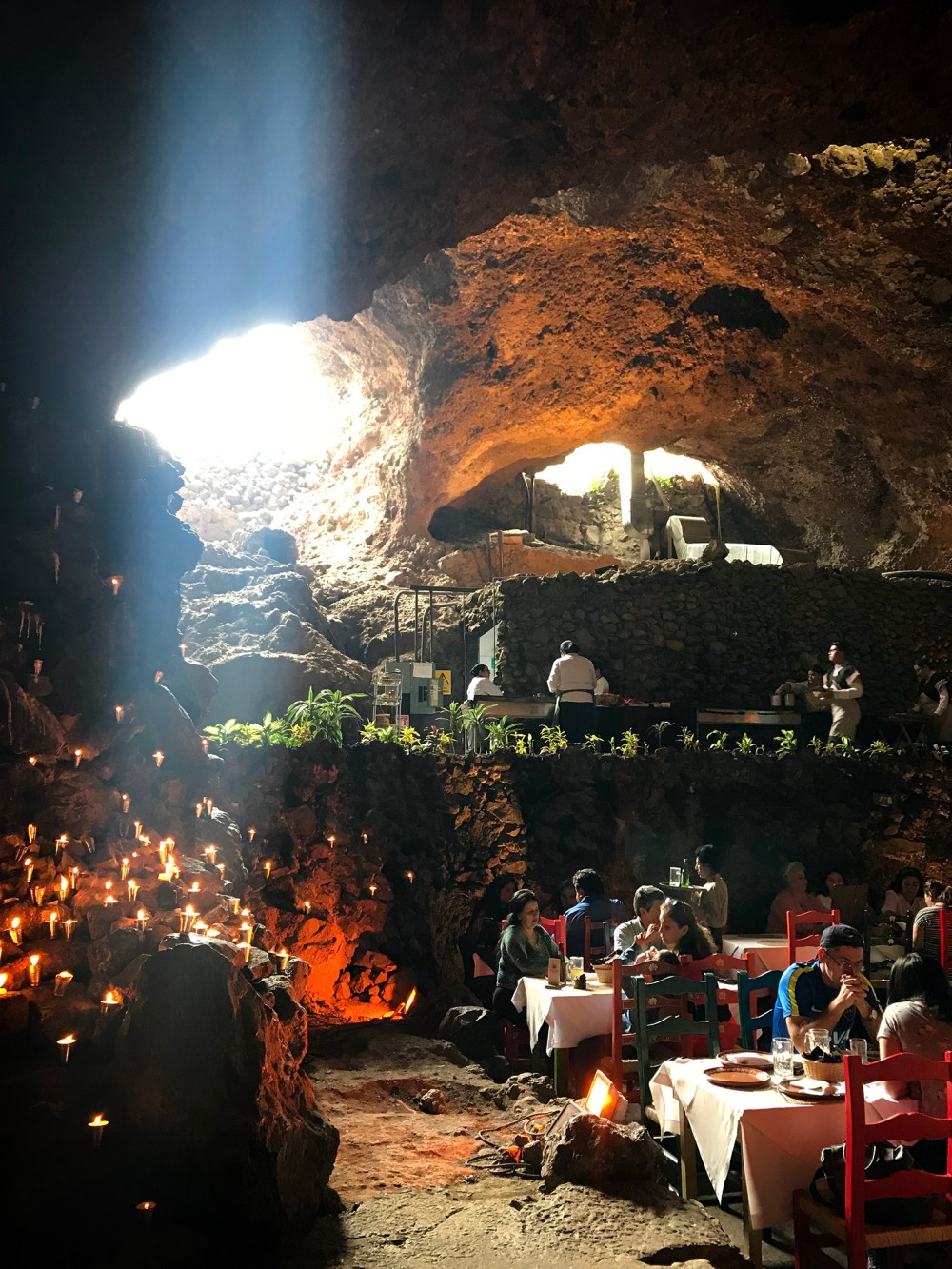
We gorged ourselves on the details of the complex over four days between being captivated by fearless flautists playing traditional tunes while inverted and being lowered from a 50ft pole; shuttering from the sound of trinkets in hands of kids around every corner which converted their exhales to the an ear-piercing cougar call; and eating lunches at La Gruta, a large candle lit cavern that had been discovered nearby.
Our extended stay afforded us the leisure of pausing in the shade of a tree or the shadow of a pyramid to read Graham Hancock’s descriptions of the site, followed by our own investigation into the mysteries surrounding them. Why were storehouses of mercury found underneath The Temple of the Feathered Serpent? Why was a thin sheet of electrically insulating mica flattened out across several acres and layered with an electrically conductive stone? Was the complex once flooded to create navigable canals and reflecting pools as some researchers suggest? Needless to say, we left with more questions than answers.

After Teotihuacán we headed to Mexico City where we spent the next week or so. We realized the flood theory may not have been far off when we discovered that the entire region was once a massive inland sea. At the time there emerged an island city at its center which was crisscrossed by waterways used for both defense and transportation. That island city was the capital of the area which today has been supplanted by Mexico City, the most populous city in North America. It is a sprawling metropolis stippled with monuments that pay tribute to its diverse and storied history.

It would have taken weeks to see it all. Thankfully Mel’s sister, Rachel, who previously lived there, provided a list of highlights to narrow things down a bit. Mel’s favorite; our visit to the house of artist, activist, and socialite Frida Kahlo. Mine, not on the list, was the opportunity to participate in a ceremony hosted by our Colombian friend and shaman who just so happened to be in town.

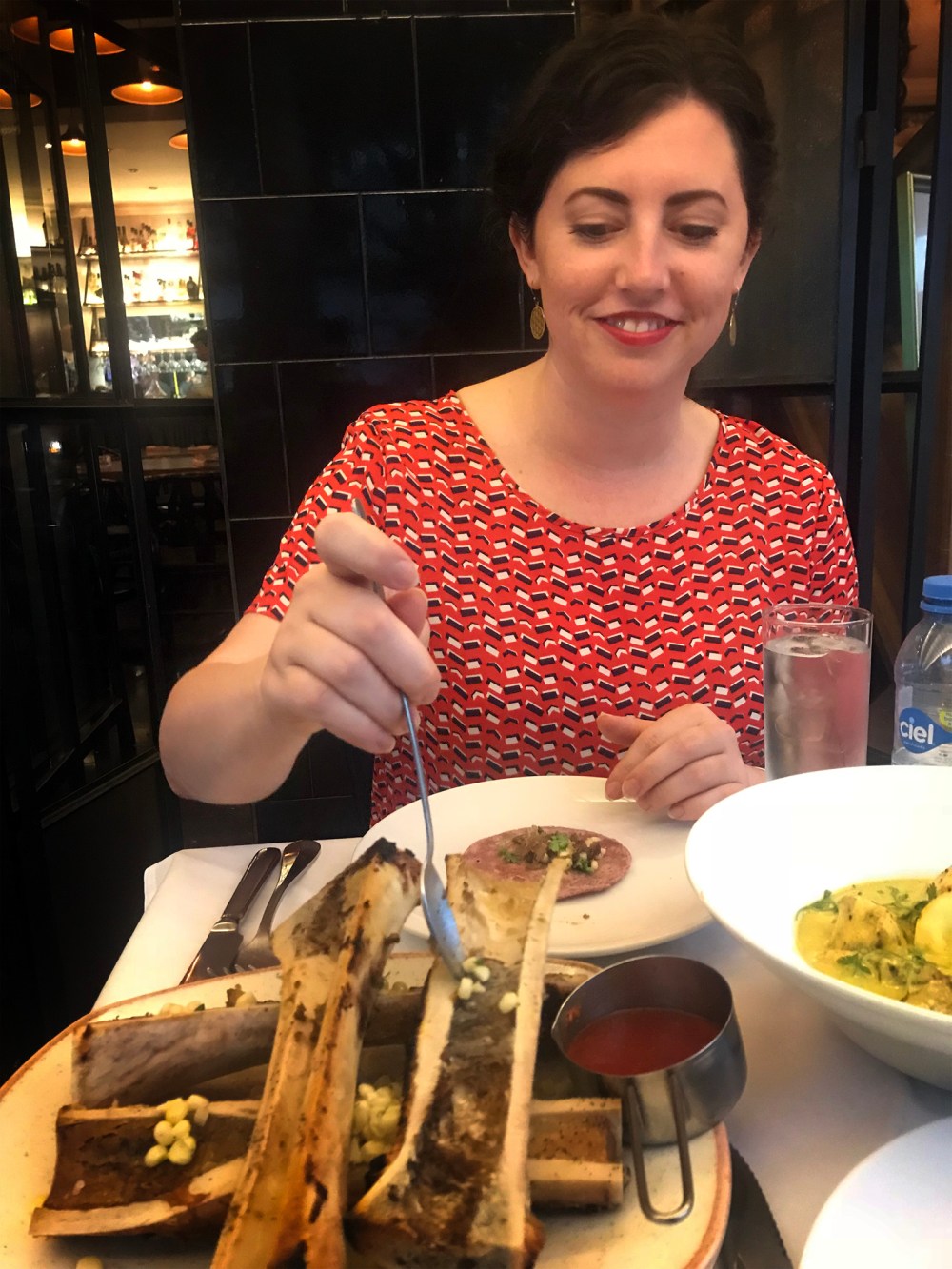
There were so many great museums, coffee houses and restaurants. At one we were served huge halved femur bones by a chef who stood smiling at Mel until she scooped out a big spoonful of the marrow they held, took a bite, and gave an obligatory thumbs up.
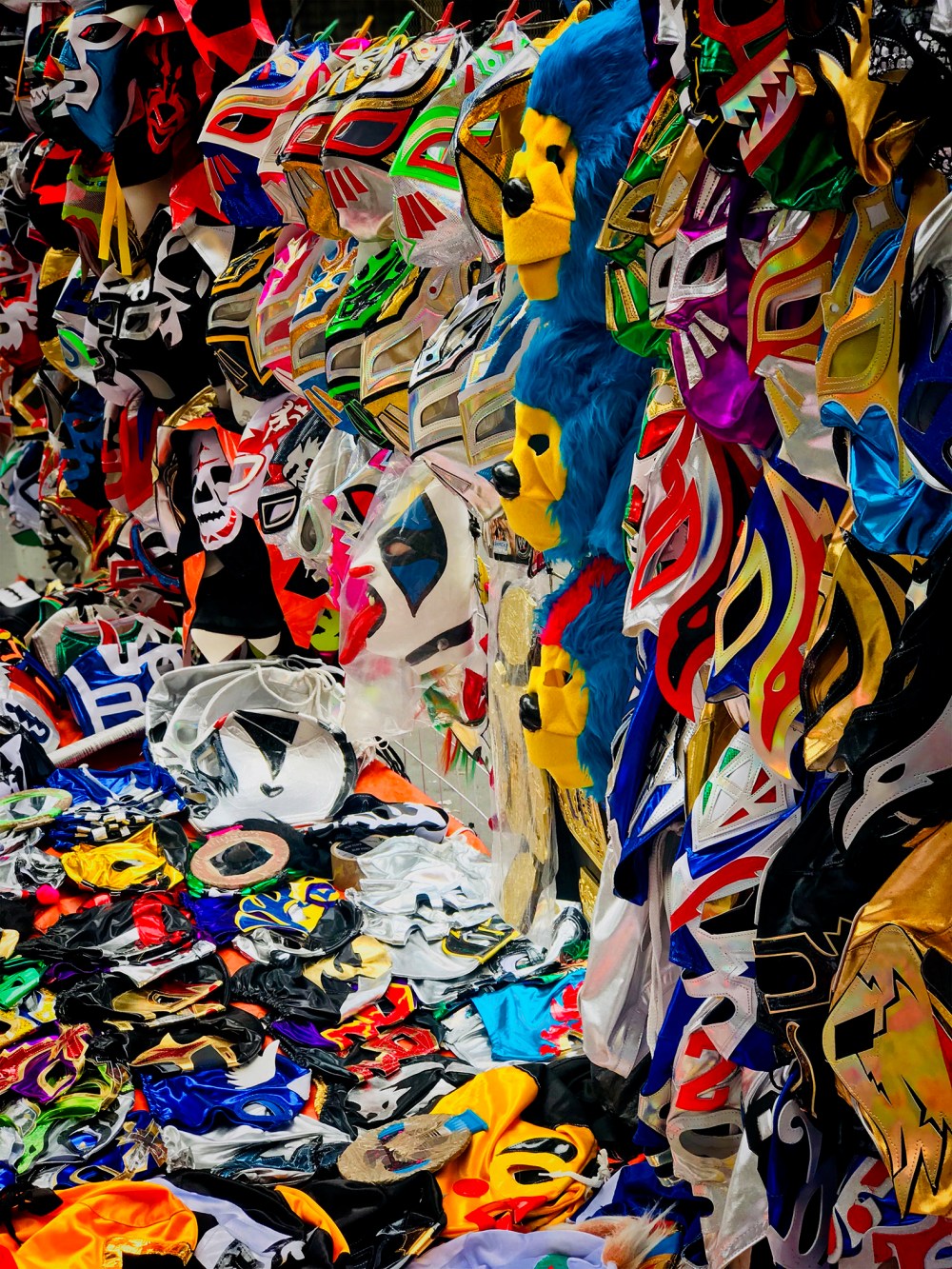
And of course we couldn’t leave town before checking out the lucha libres. Luckily the dilapidated arena where the masked mayhem ensued was only a stones throw away from our hotel. On our way out we made sure to snag a mask for posterity.
Our trip ended with breakfast at a restaurant recommended by Ray where we had a close call with the unknown. After sipping down her coffee, Mel excused herself from the table. Suddenly I heard people clearing their throats loudly behind me. An entire section broke out in uncontrollable coughing and started to alert the staff. Just as Mel was returning the symptoms spread, and the signs of struggle rippled into the patio where we were sitting. Fearing some sort of hazard, we rushed to a nearby staircase. On our way down men in respirators were heading up. Finally out of the building, we looked to where we had been and saw people hanging their heads over the balcony, catching their breath. Momentary chaos was quelled when the restaurant staff announced the issue to onlookers. Some insanely hot peppers had been vaporized into the HVAC system and spread a caustic gas around the restaurant. We were relieved, and late, so quickly caught a cab to the airport.

 We Are Nonlocal
Beautiful photos! Thank you for sharing!
LikeLiked by 1 person
Thanks for checking it out!
LikeLiked by 1 person