“CHECK.”
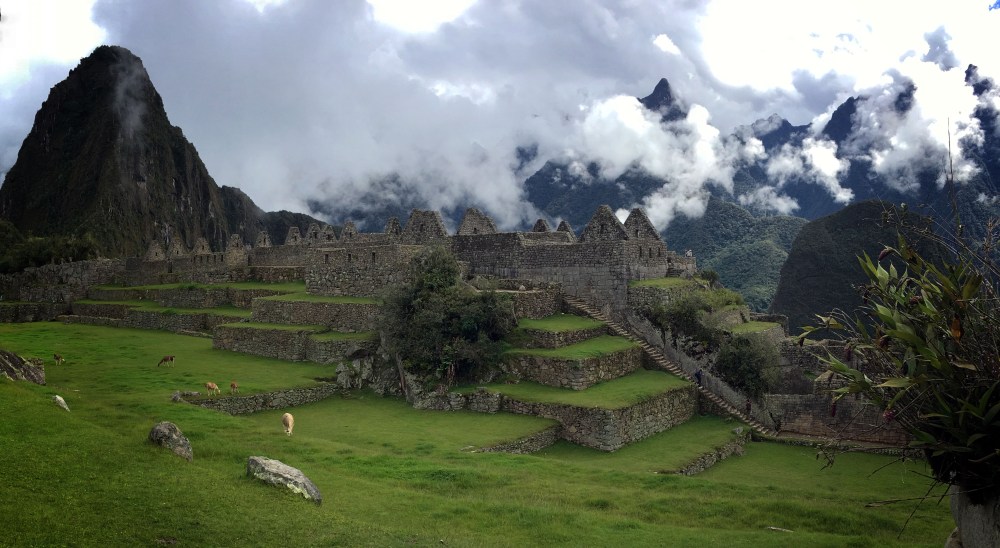
For the longest time Machu Picchu was a place we felt drawn to, and it seems other locations around the globe have a similar sort of magnetism. This is evidenced, as the poem describes, in the fact that we find ourselves wont to create and check-off lists of such locations and experiences. Why do we feel drawn in such a way? Is it simply a human trait to seek out the novel? Is it some underlying desire to connect with the history of a place or people once existing? Is the draw not actually external, but rather a quality projected outward onto objects in order to validate some deeper sense of longing? Might it be that we are all driven to wonder what lies beyond our little bubble in space and time for a purpose?

While the experience of wondrous sites can be a catalyst for change or growth to one, those same experiences to another can be described as simply a pretty place in a list of pretty places, or a bothersome amount of fellow observers encroaching on “my space” within a pretty place. Our perceptions determine our experience, and that perception manifests out of the mostly uncharted territory within the capacious realms of our multi-faceted consciousness.

We are called upon to decipher our environment through the senses countless times a day, and as a result, we become rooted in those sensory pathways. It should come as no surprise that the mind would attempt to describe our fulfillment in terms of those same pathways; through things that can be seen, touched, tasted, smelled, and heard. It follows that we might gravitate toward a mindset which considers the outside world (the world without) preeminent to that which lies within. Marcel Proust wrote something like this:
“The real voyage of discovery lies not in seeking new landscapes, but in having new eyes.”
The validity of that statement has been affirmed in my life over and over again. Regardless of where I am or what I have; I bring me to the table in every case. In Proust’s quote we are asked not to reconstitute our perception through projection onto objects or destinations, but rather to focus inward in order to reform our understanding of what constitutes US. In doing so we are able to renew our perspective; to see through distraction and uncover the capacity to free ourselves of a psychology defining fulfillment only through attainment, acknowledgement, and possession.
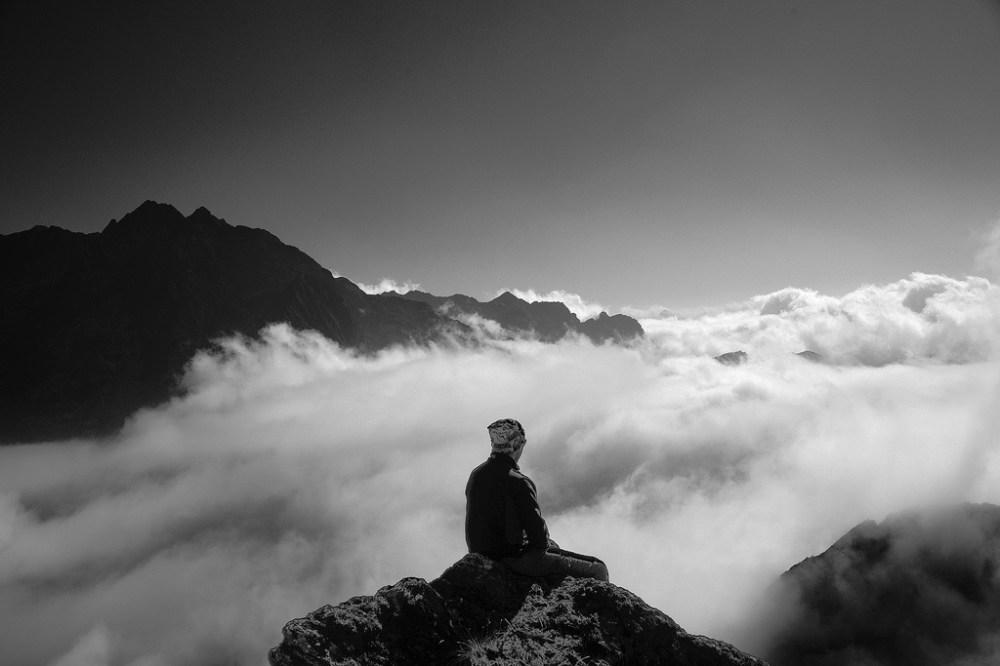
The voyage is an expression of inner growth, the discovery is that of one’s true self, and the result is a blossoming of consciousness. An opening to an infinite vastness of which we are all intrinsically a part. In that sense the process can be described as one of remembering, of reconnection, a return to a point of origin out of which we grow to understand the truth; that what we seek is not a proverbial city in the clouds, it comes not by action of our own, and it isn’t found through having. On the contrary, its revelation comes with the recognition we no longer need.
“Nor will the people say, ‘Here it is,’ or ‘There it is,’ because the kingdom of God is in your midst.” – Luke 17:21
For me the voyage continues.
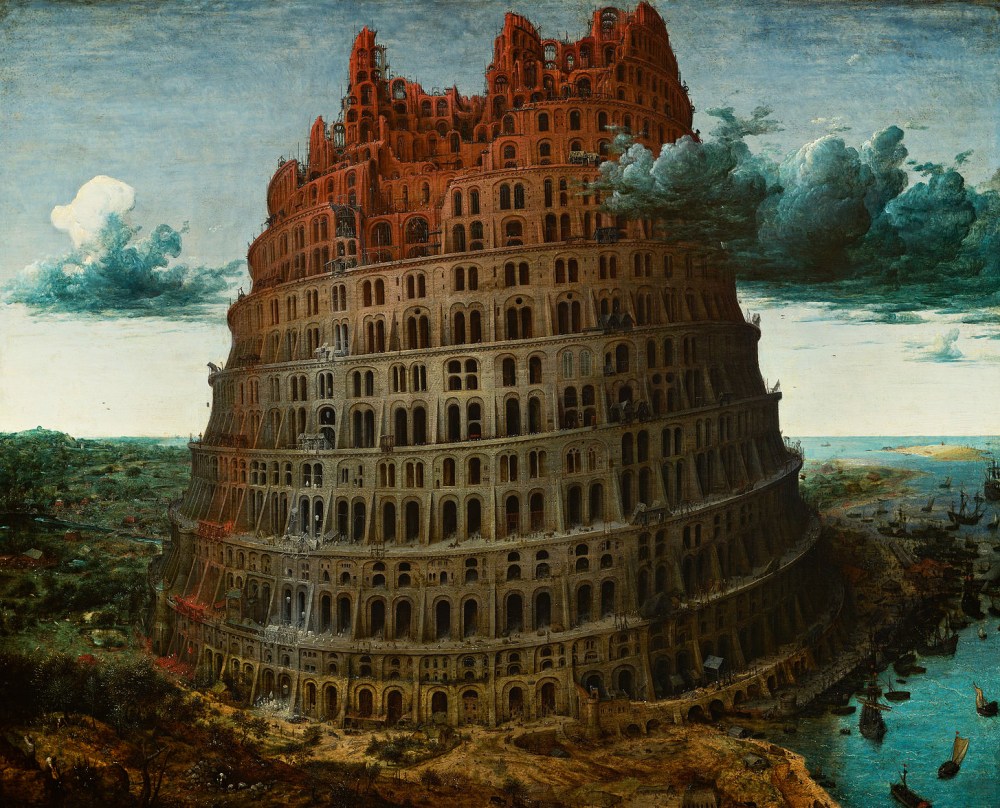
 We Are Nonlocal