Cradled at the intersection of two jagged peaks blanketed by dense forest and fog, and almost encircled by the formidable Rio Urabamba, Machu Picchu remained hidden from the Spanish during their conquest of the area, and from modern civilization until around the turn of the 20th century. Despite attempts to paint a pretty picture of its construction as entirely credited to the Inca some 500 years earlier, the comprehensive story of the city’s origins remains veiled in mystery; a phenomena afflicting much of the ancient world.

Such a depiction is tantamount to the Great Pyramids being touted as tombs for dynastic pharos when the majority of scientific exploration conscripted to justify a propensity toward necrophilia among Egyptologist’s fails to describe any similarity between the tetrahedral structures, inside or out, to actual tombs of the supposed time period for which evidence supports a definition.
Upon examining construction techniques used within Andean ruins such as Machu Picchu, Saqsaywaman, Ollantaytambo, and inside of Cusco it is evident that at least two very different forms exist.
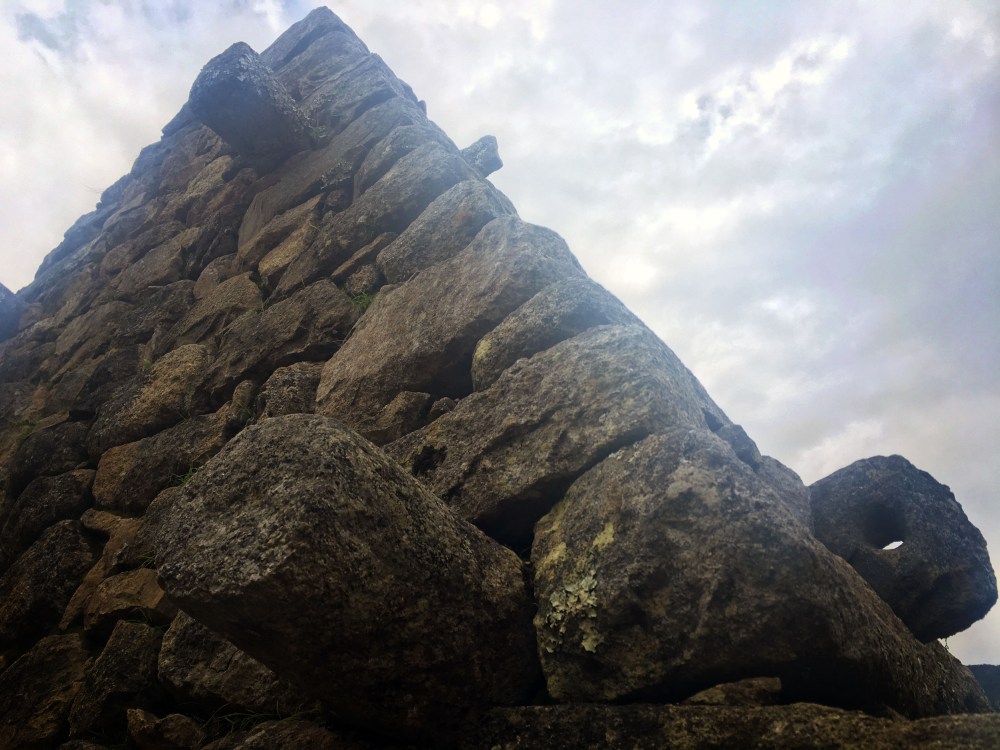
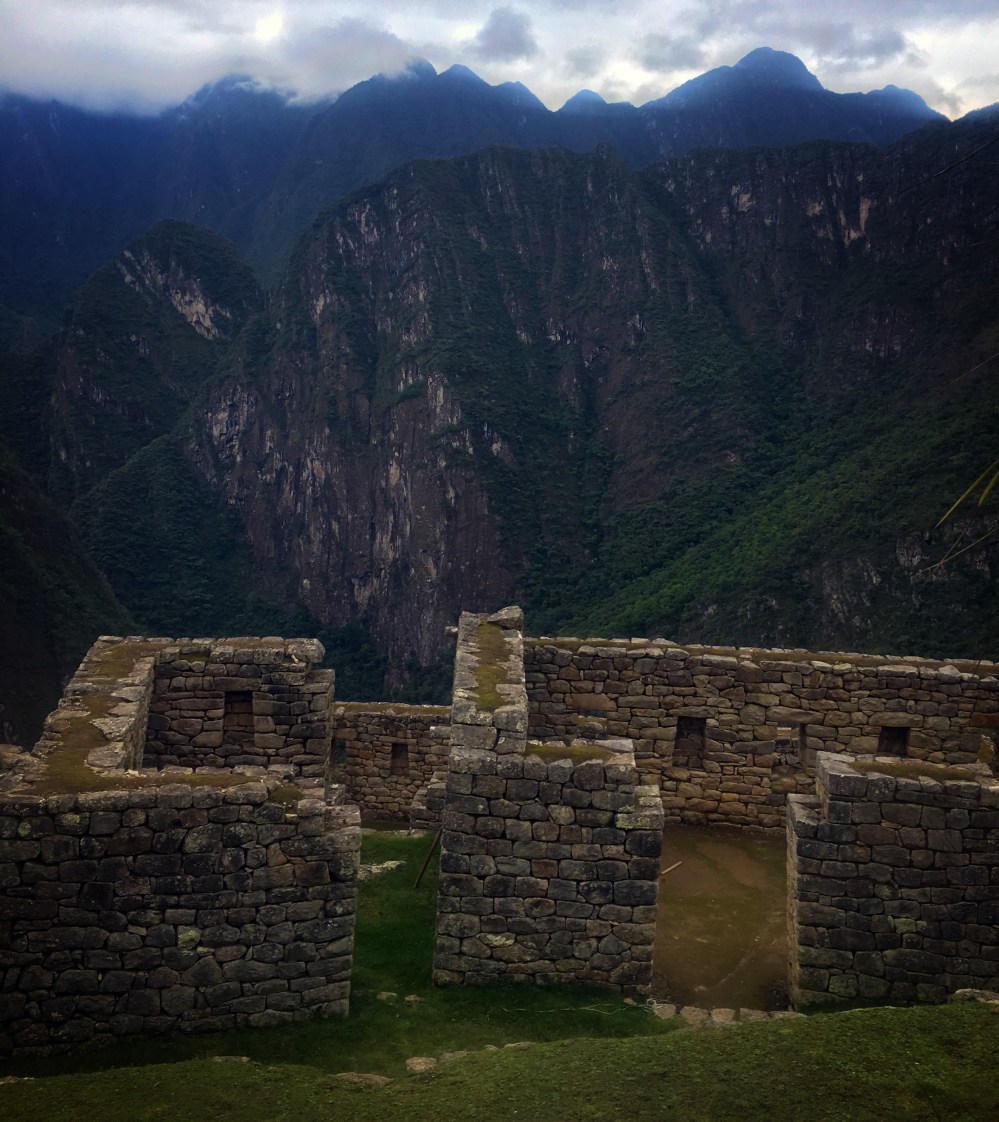
One commonly seen in the blocking out of neat complexes (homes, small tiendas, churches, observatories, agricultural terraces, and other such signifiers of an established community) with clay and rough stones averaging the size of a couple cinderblocks.
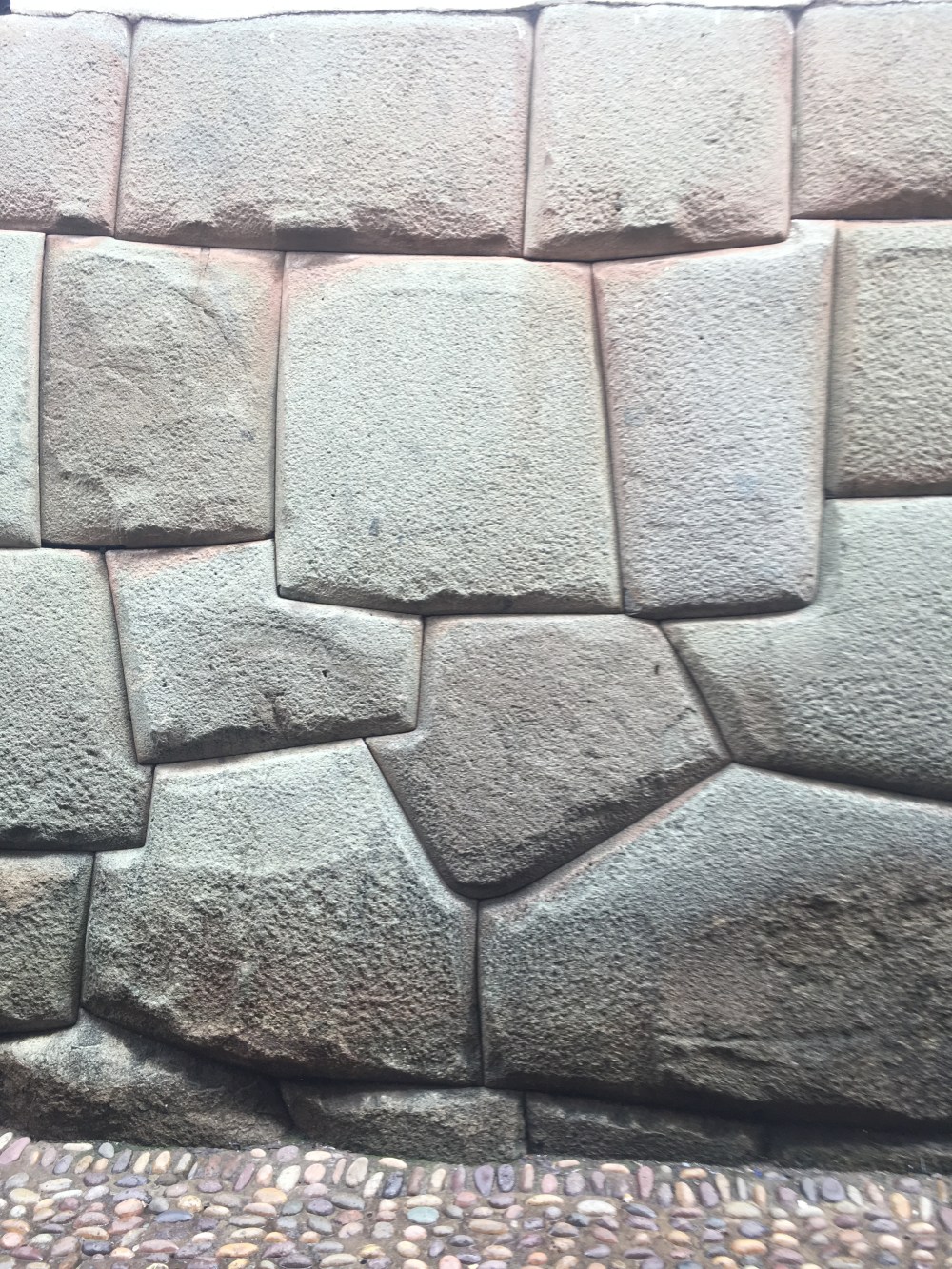
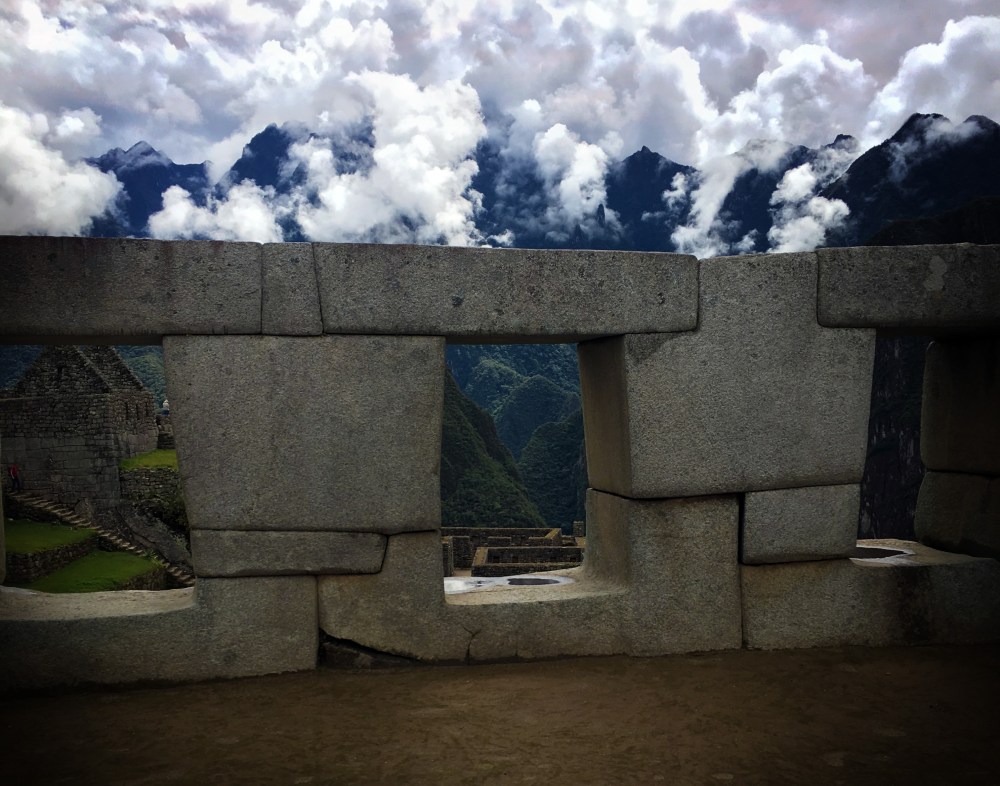
The other less prevalent of the two, lying often at the center of sites, is constructed with large to megalithic stones divergent in color and quality from those around them which have been hewn smooth to the touch and fitted together with inexplicable precision without the use of mortar.
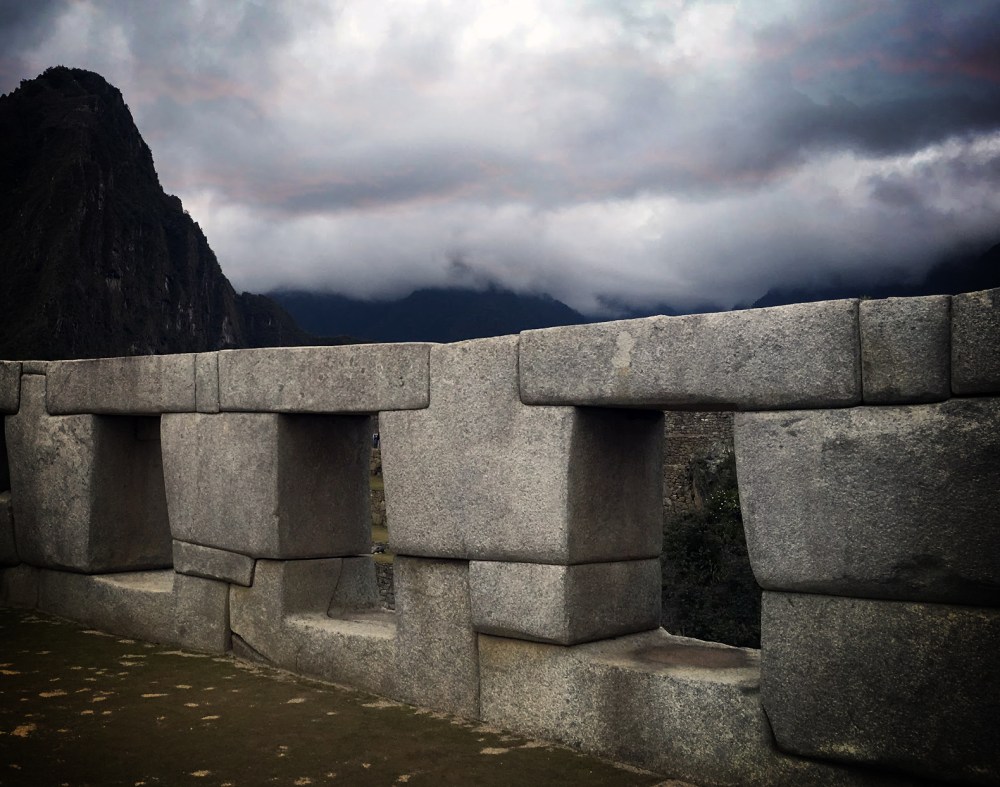
From time to time within the more elegant and exaggerated of the two constructs one can see that the stonework originally presented ornament in the form of what appear to be figures and symbols. As an example, the megaliths at Ollantaytambo are mostly smooth, but contain somewhat irregular features reminiscent of erosion which – strangely enough – are not present on the surrounding structures. At least one of them still shows the remains of a large symbol resembling the Inca Cross which once stood proud of the rock face, but now has almost entirely been washed away.

There is no question that these structures differ substantially from those surrounding them, but some may begin to ask: Why are they so different? How can they be dated? Who built them? and, By what means? Once again, we can look to some relatively recent geological data taken within the Giza plateau pointing to fluvial erosion on and near the Sphinx which indicates the site may be much older than originally thought; some conservative projections reaching as far back as 10-15,000 BC.

Such time frames bring to mind Graham Hancock’s, Fingerprints of the Gods, where in he substantiates the concept of highly advanced civilizations predating the most recent global cooling period, The Younger Dryas, who were destroyed by a great deluge resulting from a subsequent period of rapid warming. Remind you of anything?
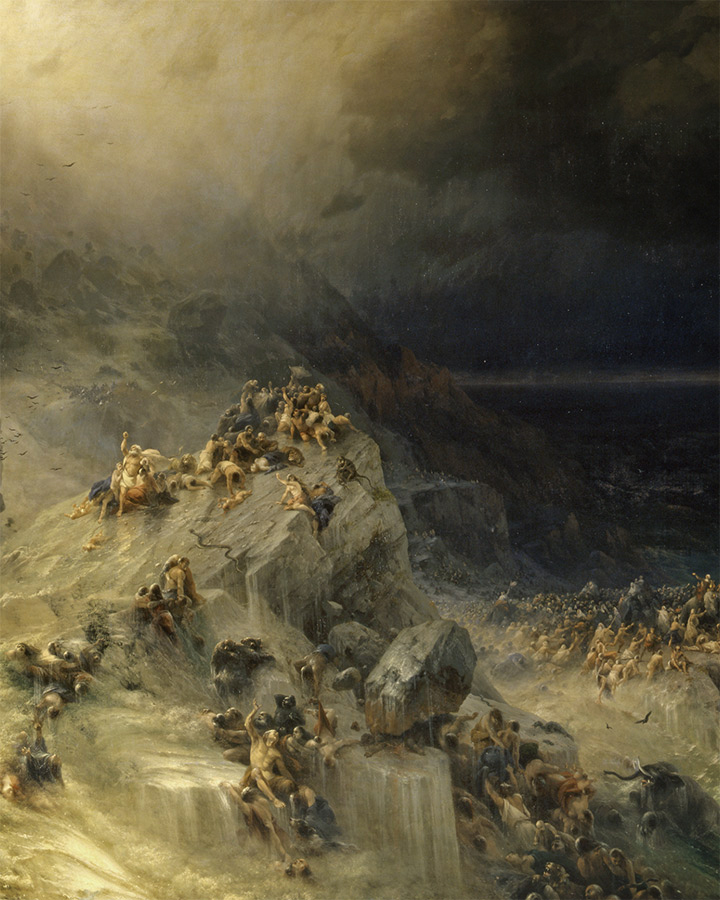
I am not contending or denying that the extant structures within Machu Picchu are from the same period, but just that some appear so unmistakably different from their surroundings they necessitate wonder in an open-minded observer. That some of these Andesite stones, which by the way are harder than granite, also exhibit signs of erosion difficult to explain as occurring in the last 600 years only adds to suspicion, and may support the need for such study as was conducted at the Sphinx.

This is all to say, the ruins in question peaked our curiosity and, for me, ingrained the validity of a pre-diluvian sophistication which is overwhelmingly not addressed by timelines currently espoused in academia. It seems that the life giving spring served to us by a popular chronology turns out to be murky at best against the litmus of the very scientific method prescribed by those doling out the waters, and all but stagnant once such ancient sites are experienced. Each time we visit these locations our perspective is expanded not only relative to the history of the sites themselves, but to the whole of human history.
 We Are Nonlocal