The trip from Nasca to Cusco was set to unfold over 12 darkened hours on an ever ascending mountain pass through the Andes. In the name of adventure we took our chances, but because even the most steadfast mountain sometimes crumbles and even the most well planned journey cannot fully be controlled, a series of events exchanged our half day excursion for a full 21 hours on the bus. It is said that in life the journey proves greater than the destination, but we have come to doubt there was ever a time when the opposite was more true. We arrived exhausted yet overwhelmed with the excitement that sets in when your senses feast upon a new and different place, a feeling that grew minute by minute in this city of enchantment, The Imperial City of Cusco, or in the native language of Quechua, Qusqu.
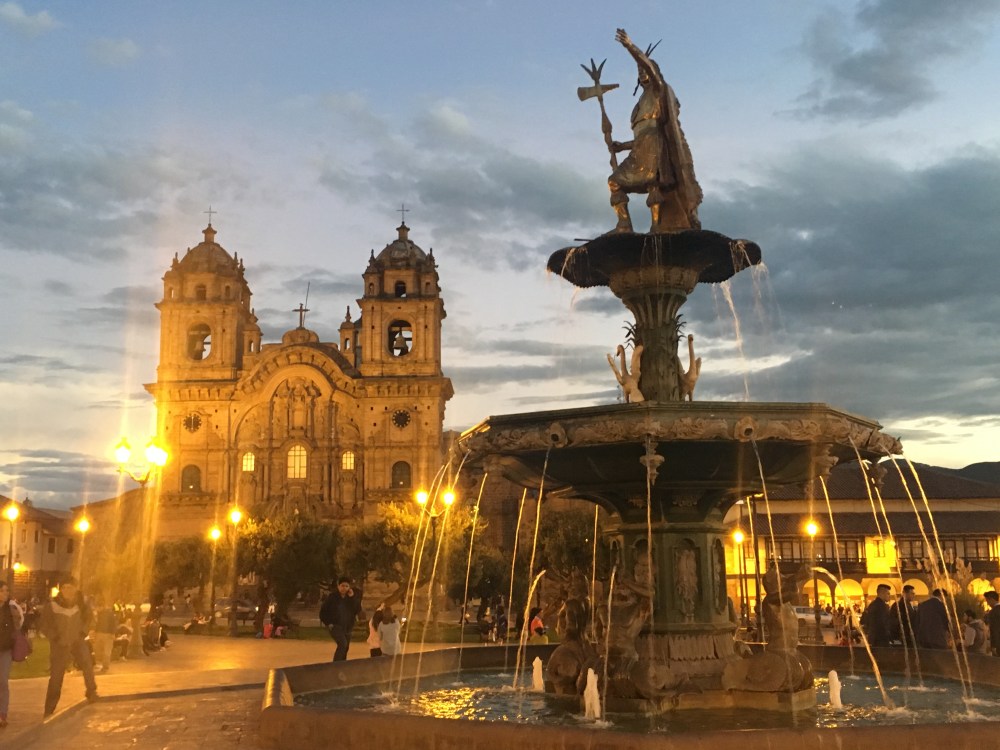
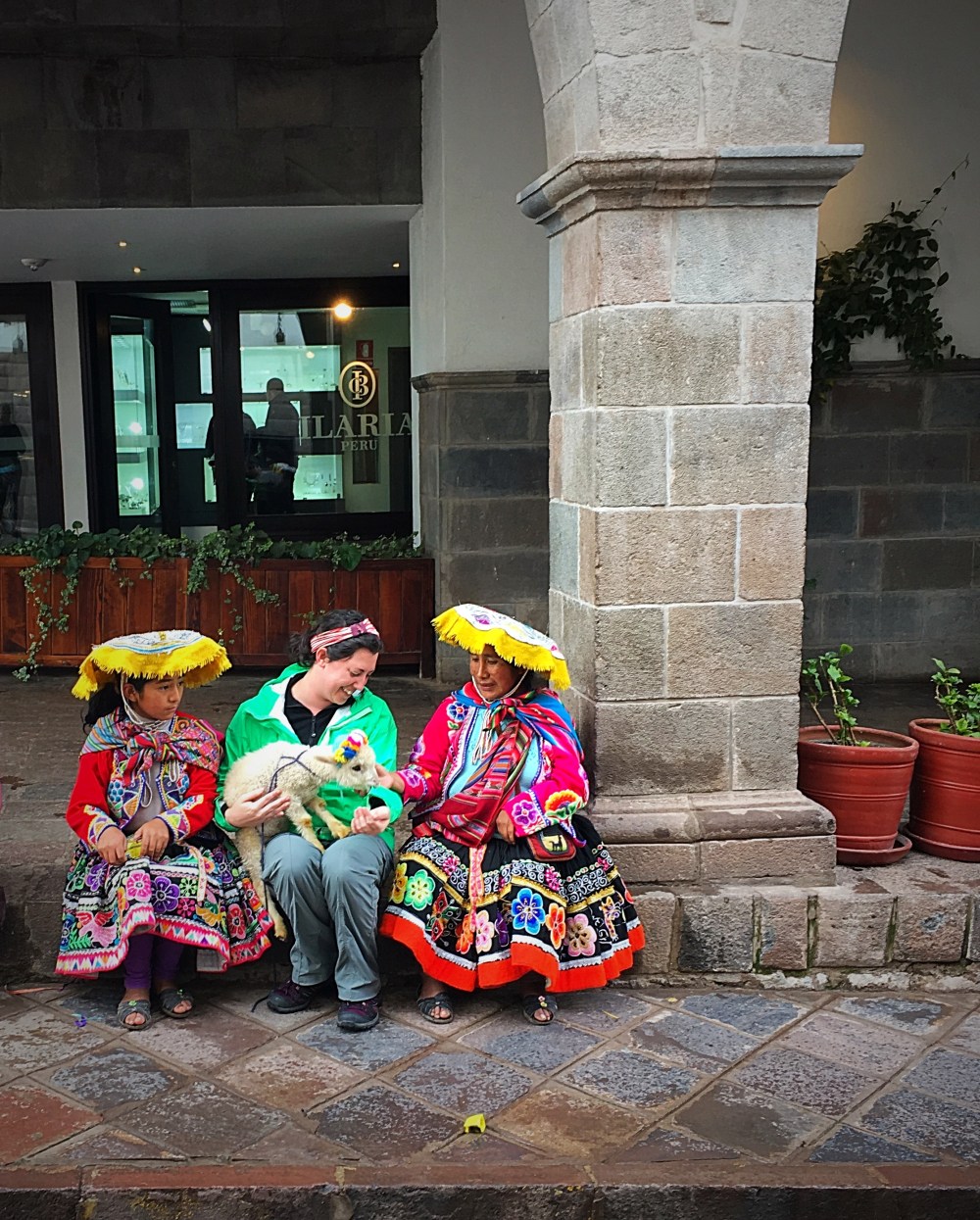
When entering the Centro Historico de Cusco, the former capital of the Incan empire, a palpable history floods the imagination; all aspects registering as tangibly as the towering Spanish and pre-Colombian architecture, and as vividly as the colors in the souvenirs sold on every cobbled corner. Street vendors create their wears and curate their collections of crafts in the open, haggling for attention as tourists pass day after day like the sun – unyielding and unflinching. One learns quickly that a glance in the direction of these expert salesmen, saleswoman, and sales children translates as interest and instigates an onslaught of ofertas which sweeten the further one pulls away even after the most gracious no gracias. If one hesitates for a second they might as well acquiesce to alleviating their pocket of at least a couple nueva soles, for these lama leading, baby lamb laden artists are true experts at weaving emotion into their negotiations.
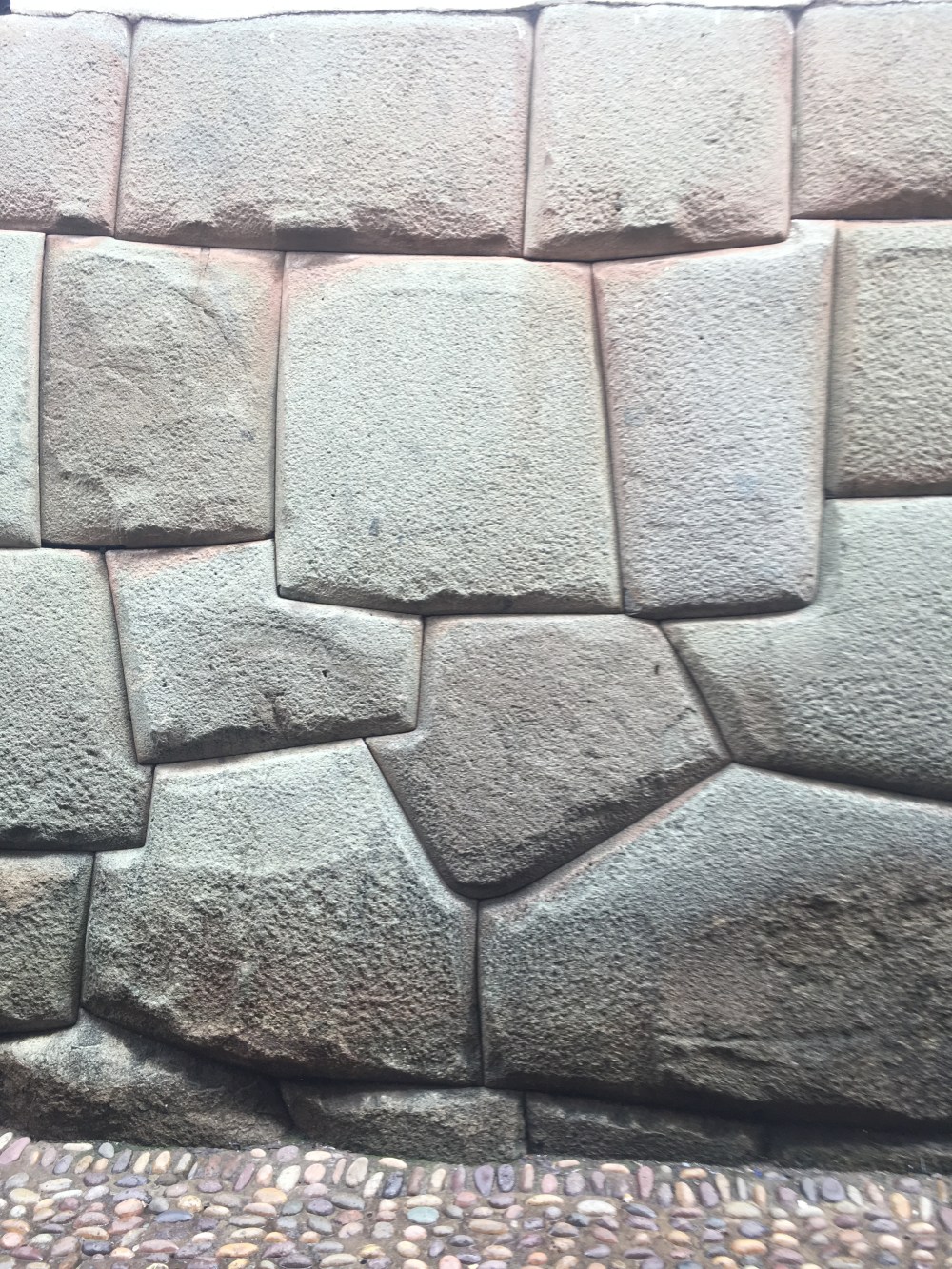
Despite the more modern tourist driven elements, Cusco lies at the center of a vast and ancient empire that once was and receives worldwide recognition for the incredible ruins that stipple the landscape for miles in every direction. In truth, that is one of the reasons we’ve found ourselves here. The town center stands as a lesson in history, both Spanish and pre-Columbian in nature; the former of which can easily be assumed more sophisticated as a product of chronology alone. There certainly stands stark contrast between the building technique and architectural capabilities of the inextricably different preforms, and the recognition of superiority between the two comes immediately. It is in fact the pre-Colombian technique that wins out in almost every way. Unimaginably large blocks of stone fit so closely together on up to twelve sides that even to this day a single sheet of paper cannot be inserted between a seam. It is remarkable to see such precision within such complexity, especially out of such antiquity. It is even more astounding to know that those polygonal stone walls which were not plundered or destroyed by the Spanish have lasted unscathed, unmoved, seemingly as perfect as they were once placed; through weather, wars, and earthquakes which all but flattened the more modern of the two constructs. Just to walk through the plazas, calles, and alleyways is truly awe inspiring.
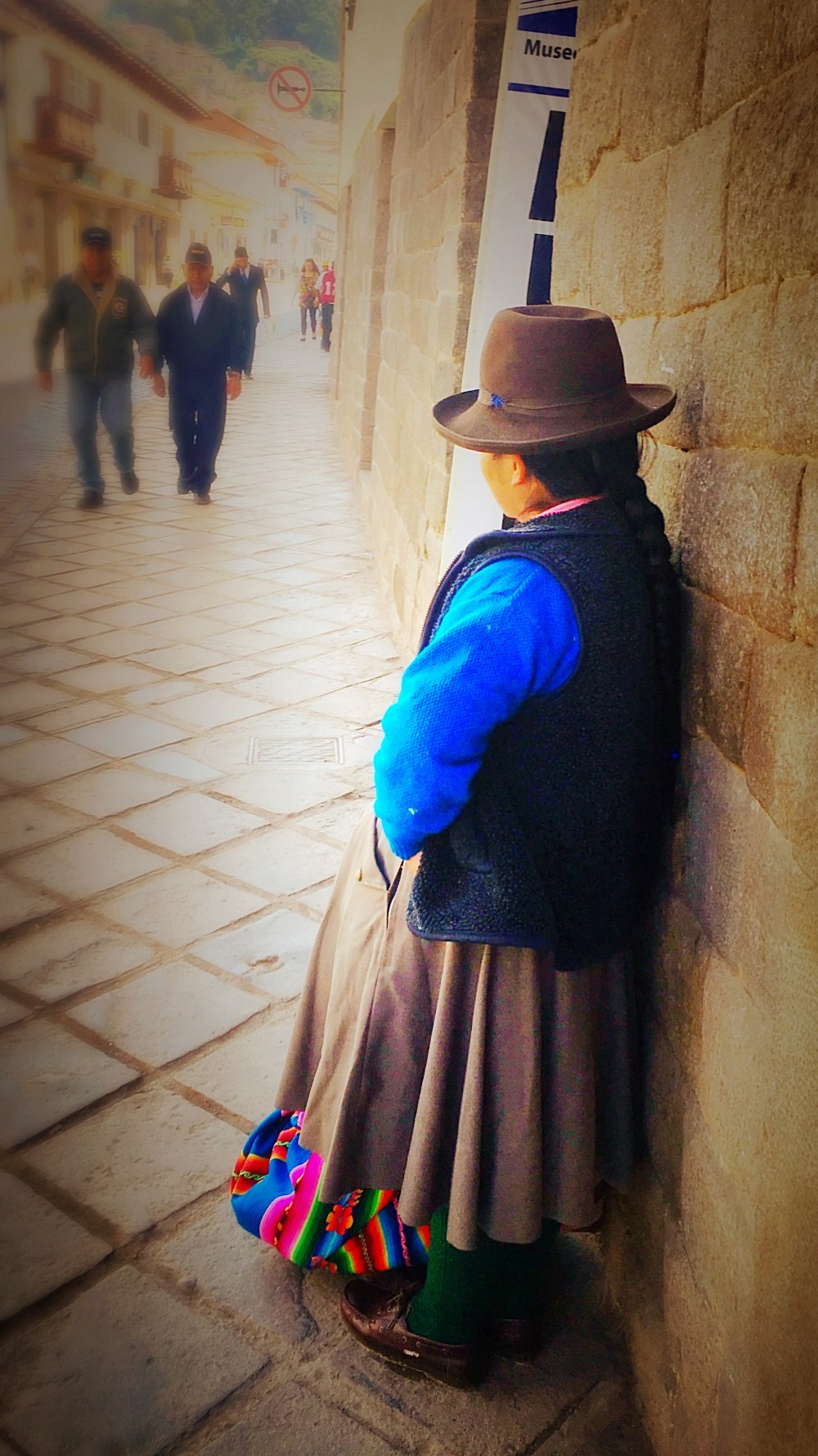
What makes a place desirable when lacking in family, friends and even distant acquaintances? How can it feel like home when you don’t speak the language or dress like the natives, and you tower over 90% of the population? What makes one place feel different, feel better or worse, than another? These questions raced through our minds as we acknowledged the desire to make Cusco our South American home base for adventure; something we knew in our hearts even before stepping off the bus. So we’ve put our efforts toward finding an apartment. A place that we can rent to others while we journey in and around Peru. Of course, friends and family stay free, so start planning your trip to Machu Picchu.
Check out the photos from our first couple weeks in Cusco.

 We Are Nonlocal